

Are Expensive Skincare Products Worth It? A Clear Answer
Last Updated: October 28, 2026
Quick Summary
Expensive skincare is worth it only when the higher price buys something you can feel in daily use, such as a richer oil blend, a scent you enjoy, or a formula that suits your climate. Judge the product by cost per use and by how your skin responds, not by the price tag alone.
- Price reflects formula, packaging, and branding, so it is a weak signal of performance.
- Compare products on oil blend, scent, feel, and cost per use rather than brand prestige.
- Divide the price by the number of applications to find your true cost per use.
- Screen every product for ingredients your skin tolerates well, regardless of price.
- Start with a $10 body oil to test whether a $32 or $34 bottle earns its premium for you.
Table of Contents
- Why Price Alone Tells You Very Little About Expensive Skincare
- What Makes Skincare Products Expensive
- Luxury Skincare vs Affordable Skincare: A Direct Comparison
- Skincare Ingredients to Look For, Whatever the Price
- Cost Per Use: The Number That Matters Most
- How to Build a Simple Skincare Routine Without Overspending
- Where to Put Your Budget: Moniluxx Picks for Your Routine
- Frequently Asked Questions
Why Price Alone Tells You Very Little About Expensive Skincare
Are expensive skincare products worth it? Price is the first thing most shoppers look at, and it is the least reliable clue. A higher price tag can reflect the formula, the packaging, the marketing, or simply the brand's positioning. Moniluxx believes the honest answer starts with asking what you are actually paying for, then checking whether those things will do anything for you.
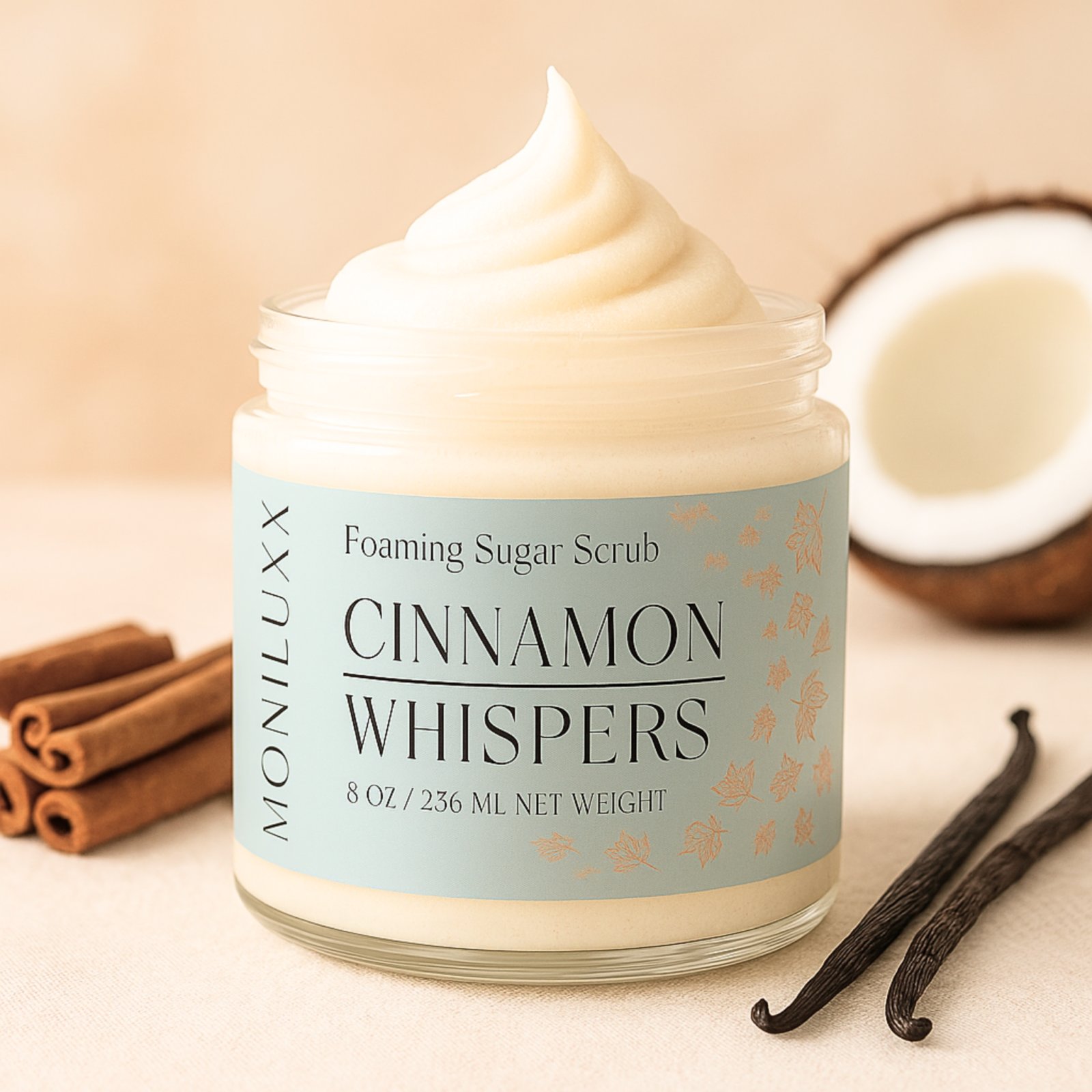
Think of it this way. Two products can sit side by side on a shelf, one costing three times the other, and still share a nearly identical base of oils. The gap in price may come from elegant glass, a scent profile built from named notes, or a boutique brand story. None of that is wrong, but it is not the same as a better moisturizing result.
So the useful question is not "Is it expensive?" It is "Does this product give me the ingredients, the feel, and the daily experience I want, at a cost I can sustain?" The rest of this guide walks through that question step by step.
What Makes Skincare Products Expensive
Several costs stack up before a bottle ever reaches your bathroom shelf. Ingredient sourcing is one.
Packaging and branding add another layer.
Knowing where the money goes helps you judge whether a price reflects value for your routine.
Luxury Skincare vs Affordable Skincare: A Direct Comparison
The clearest way to compare is product against product, not brand against brand. The useful exercise is to line them up on the criteria that actually shape your daily experience: the oil blend, the scent, the feel, and the cost per use.
Here is how the two tiers typically differ on the things that matter:
| Factor | Luxury Option | Affordable Option |
|---|---|---|
| Base oil blend | Often multi-oil, plant-rich, with named specialty oils | Often simpler, sometimes one dominant oil |
| Scent | Layered notes, longer-wearing, developed by a perfumer | Simpler, often lighter, sometimes single-note |
| Packaging | Heavier glass, custom closures, design-led | Lighter, utilitarian, refill-friendly |
| Daily feel | Varies by formula; often silkier slip | Varies by formula; sometimes faster-absorbing |
| Cost per use | Higher upfront, may last longer per bottle | Lower upfront, may need more frequent replacement |
| Stability and shelf life | Often tested for longer stability; darker or airless packaging | Varies; clear bottles and open tops can shorten life |
Read the ingredient list rather than the price. A long list of oils can sound impressive, but what matters is whether the oils suit your skin and whether you enjoy using the product. Moniluxx's own body oils, for example, are built on a blend of sunflower, sweet almond, avocado, grapeseed, argan, squalane, and jojoba oils, with vitamin E. Compare that against any other oil you are considering and decide whether the difference is meaningful to you.
Finally, compare like with like. A 10oz luxury oil and a 4oz affordable oil are not a fair fight on sticker price alone. Translate both into cost per use before you judge, which is the exercise in the next section.
Skincare Ingredients to Look For, Whatever the Price
Regardless of what you spend, a few ingredient habits serve you well. Start with the ingredient list.
For body oils specifically, look for skin-conditioning plant oils such as jojoba, squalane, grapeseed, sweet almond, and avocado. If you want to go deeper on which natural ingredients genuinely deliver a glow, that guide covers them in more detail. Squalane is a lightweight emollient that many people find pleasant on skin. Vitamin E is a common antioxidant addition that also helps protect the oil itself from oxidizing. If you have a sensitive complexion, check whether fragrance is listed, since scent is one of the more common irritants (Fragrance allergens labelling). Products that clearly state what they exclude, such as parabens or sulfates, can help you shop with more confidence, though these claims should be weighed against your own experience. You can see which body oil formulas are built on clean, non-synthetic ingredients before you decide what to buy.
Here is the part most guides skip: separate the evidence for an ingredient from the evidence for a finished product. It is one thing to know that jojoba is a well-regarded emollient; it is another to know that a particular bottle with jojoba in it feels good on your skin. A brand can lean on ingredient research to imply a product performs better, but the two are not the same claim. When you read marketing, ask which one is being made.
Formulation suitability matters as much as the ingredient list. Two oils with the same base can feel completely different depending on how they are blended and what else is in the bottle. A formula that suits your skin type and your climate will usually serve you better than a more expensive one that does not. If you live somewhere dry, a richer blend may earn its price; in humidity, a lighter one often feels better regardless of cost.
Our advice is simple: buy the ingredients your skin tolerates, in a formula that suits your climate and routine, and let price be the last filter rather than the first.
Cost Per Use: The Number That Matters Most
Price per bottle tells you little. Cost per use tells you what you actually pay each time you apply. To calculate it, divide the price by the number of applications you expect to get from the product.
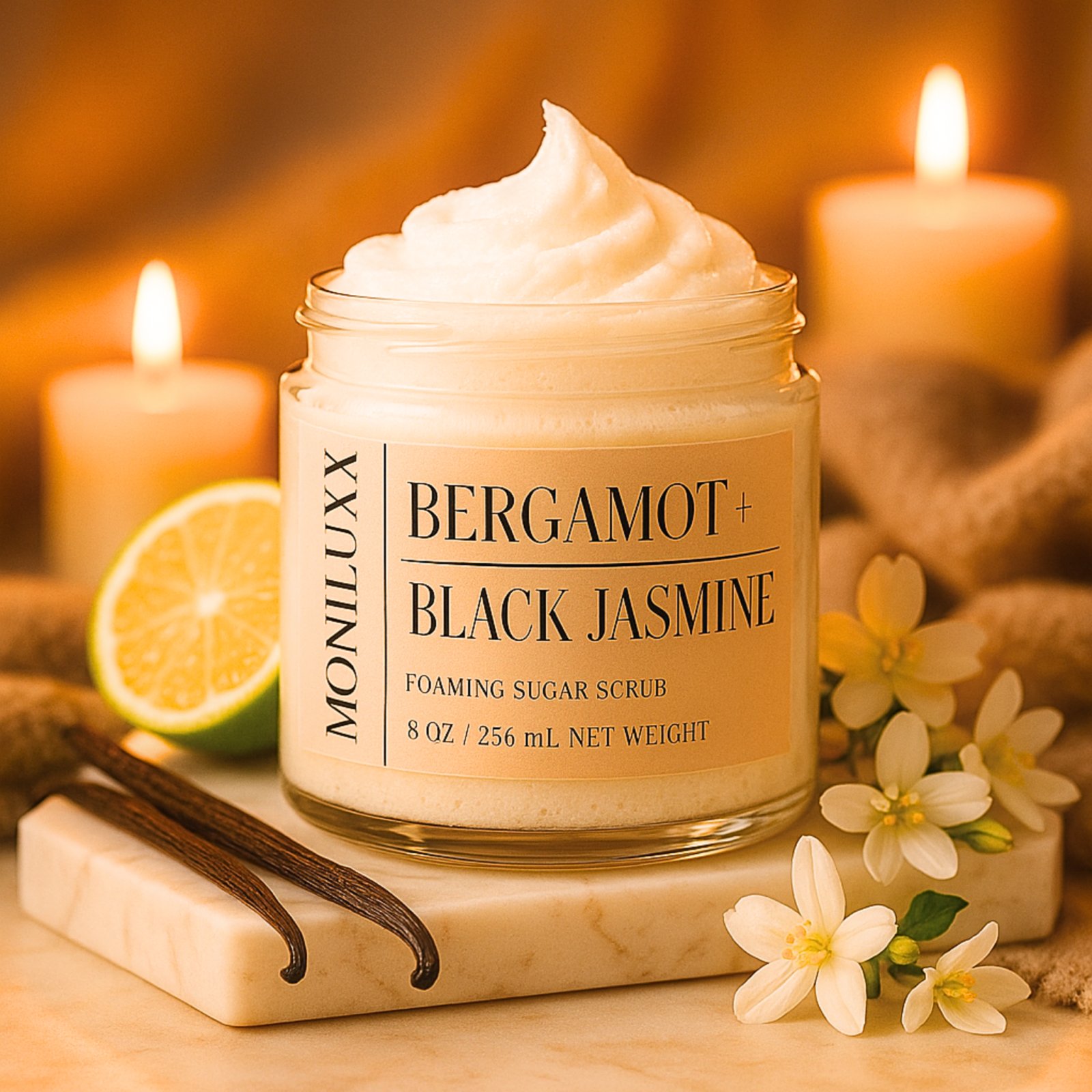
Here is a simple example. Suppose a 10oz body oil costs $34 and you apply it daily. The cheaper bottle is not automatically the better deal.
Consistency also matters more than a single purchase. A product you enjoy and that fits your routine may offer value to you. Track how long your current bottle lasts, then run the math before your next purchase. See how longevity and application habits help a luxury body oil stretch further.
How to Build a Simple Skincare Routine Without Overspending
You do not need a 12-step ritual to care for your skin. Keep it focused. Begin with a gentle cleanser, a moisturizer that suits your skin type, and a body oil for daily softness. Add one or two targeted products only when you notice a specific need.
Spend where you will feel the difference. A body oil applied after the shower is one option. Save on items you use occasionally.
A practical habit: set a monthly check-in. Note what you used, what you finished, and what sat untouched. Over time, this shows you where your money is really going.
Where to Put Your Budget: Moniluxx Picks for Your Routine
If you want to build a routine around body care, Moniluxx's body oils give you a few clear options to compare:
- Dark Petals Body Silk Oil ($32.00): A floral woods fragrance with mandarin, plum, jasmine noir, and oud. It is described as suitable for everyday luxury or an evening scent.
- Rich Buttercream Body Silk Oil ($34.00): A warm vanilla bean and cashmere scent, made with sunflower, grapeseed, avocado, jojoba, and apricot kernel oils.
- Dark Plum+Cashmere Body Silk Oil ($34.00): Bergamot and pear lead into plum wine, then creamy vanilla and cashmere musk.
- Pillows Body Oil ($10.00): A scent with sweet clover honey, rose, baby powder, and vanilla.
- Amber Nights Body Oil ($10.00): Bergamot, orange blossom, patchouli, vanilla, and tonka bean.
Our suggestion: if you are testing whether a higher-priced oil is worth it for you, start with one of the $10 options and compare how often you reach for it against a $32 or $34 bottle. Let your own use answer the question.
Ready to explore? Learn more about the brand behind these picks or read our guide to building a self-care ritual that actually sticks.
Frequently Asked Questions
Are expensive skincare products more effective than affordable ones?
Not automatically. A higher price can reflect packaging, marketing and brand positioning. Compare the ingredient lists and prices of the products you are considering before deciding what is worth the money to you.
What makes some skincare products more expensive than others?
Several costs can contribute to a product's price, including ingredient sourcing, packaging and marketing. These factors do not guarantee better results, so consider them alongside the product details.
Which skincare products are worth spending more on?
A body oil you enjoy using after bathing may be worth considering. Moniluxx's body oils include sunflower, sweet almond, avocado, and jojoba oils. Consider the listed price and whether the scent and product details suit your preferences.
How can you tell whether a skincare product is worth the price?
Start with cost per use: divide the price by the number of uses you expect from the bottle. Then review the ingredients and consider whether the product details suit your preferences. If you enjoy using it consistently, it may be worth its price to you.
Expensive skincare is worth it when the formula suits your skin, the scent and feel bring you pleasure, and the cost per use fits your life. Price alone is a poor guide. Start with the ingredients you trust, calculate what each use really costs, and keep your routine simple. Moniluxx's body oils are a good place to begin that comparison.
