

How to Patch Test Handmade Soap Safely at Home
Table of Contents
- How to Patch Test Handmade Soap
- How to Do a Soap Patch Test Step by Step
- How Long to Patch Test Soap Before You Unwrap the Full Bar
- Handmade Soap for Sensitive Skin: What to Look For
- Frequently Asked Questions
Last Updated: November 24, 2026
How to Patch Test Handmade Soap
A patch test for handmade soap is simple: apply a small amount of lather to one discreet spot and watch it for several days before using the full bar. Learning how to patch test handmade soap takes almost no time.
How to Do a Soap Patch Test Step by Step
A soap patch test differs from leave-on tests because handmade soap is a rinse-off product. You are checking how your skin responds to a brief lather, a thorough rinse, and the repeat exposure of daily washing.
Here is the soap-specific ritual we recommend, done twice a day for five days.
- Choose a discreet, intact test spot, like the inner forearm or behind the ear. Avoid anywhere you have shaved, scratched, or noticed a flare recently.
- Wash the area with plain water and pat it completely dry. Skip lotions, oils, and perfumes there so nothing muddies the result.
- Wet the bar, work up a small amount of lather in your hands, and apply a thin layer to a quarter-sized area.
- Leave the lather on for one to two minutes, then rinse well with lukewarm water.
- Pat dry with a clean towel and note the time and anything you feel, even a faint tingle.
- Repeat twice daily for five days. Consistency reveals a cumulative reaction a single wash would hide.
- Keep watching the spot for up to ten days total, since some sensitivities show up after repeated exposure.
If you want a control, test an unscented or plain bar on the other forearm at the same time. When the scented bar flares and the plain one stays calm, you have a useful clue about fragrance rather than the soap base.
Watch out: testing on broken or freshly shaved skin can sting and give you a false alarm, and testing two new bars on the same spot at once tells you nothing about which one caused the reaction. Keep one variable at a time.
A mild itch or faint redness that fades within an hour is often just sensitivity to a fragrance or a sign the bar is too cleansing for that spot. A reaction that spreads, swells, or lingers past a day is your cue to stop and treat it as a possible allergy. If something flares, set the bar aside, note the ingredients, and compare against bars that have stayed calm for you.
Once you know your skin agrees with a bar, you may want to learn how to keep bar soap from getting mushy so it lasts beautifully between washes.
How Long to Patch Test Soap Before You Unwrap the Full Bar
Plan on five days of twice-daily testing, then keep watching the spot for up to ten days total. A rinse-off bar touches your skin briefly, so many reactions show sooner than with leave-on products, but some sensitivities only appear after repeated exposure.
Here is the timeline we suggest:
| Stage | What to Do | What to Watch |
|---|---|---|
| Day 1 | First lather, rinse after two minutes | Immediate stinging, burning, or redness |
| Days 2-5 | Repeat twice daily | Itching, rash, dryness, or swelling |
| Days 6-10 | Stop applying, keep observing | Delayed sensitivity or a late flare |
| Day 10 | Decide with confidence | Clear, comfortable skin means go ahead |
If the spot stays calm and comfortable, unwrap the full bar and enjoy it, introducing it gradually over the first week rather than swapping out your whole routine at once. If anything flares, set the bar aside and give your skin a rest.
Irritation tends to show up quickly and stays confined to where you applied the soap. A possible allergy can appear later and spread beyond the test spot. Neither is a diagnosis, so if in doubt, set the bar aside and pay closer attention.
If a reaction does occur, stop using the bar right away and rinse the area with cool water. Note the product name, the date, and what you felt, and keep the wrapper or ingredient list so you can compare later. Seek medical care promptly if you notice swelling, blistering, trouble breathing, or a reaction that spreads or persists beyond a few days.
A home patch test is a comfort check, not a substitute for clinician-directed allergy testing. If you have a known allergy, a history of severe reactions, or an active skin condition, speak with a dermatologist before testing new products. And keep skin patch testing separate from checking whether a bar is properly made:
Handmade Soap for Sensitive Skin: What to Look For
Handmade soap for sensitive skin should be simple, gentle, and honest about what is inside. Look for short ingredient lists, nourishing oils, and a scent you can tolerate, since fragrance is often the first thing to test.
A few things we would check before buying:
- Few ingredients, clearly listed
- Olive, coconut, or cocoa butter bases
- A mild, familiar fragrance
- Small-batch makers who answer questions
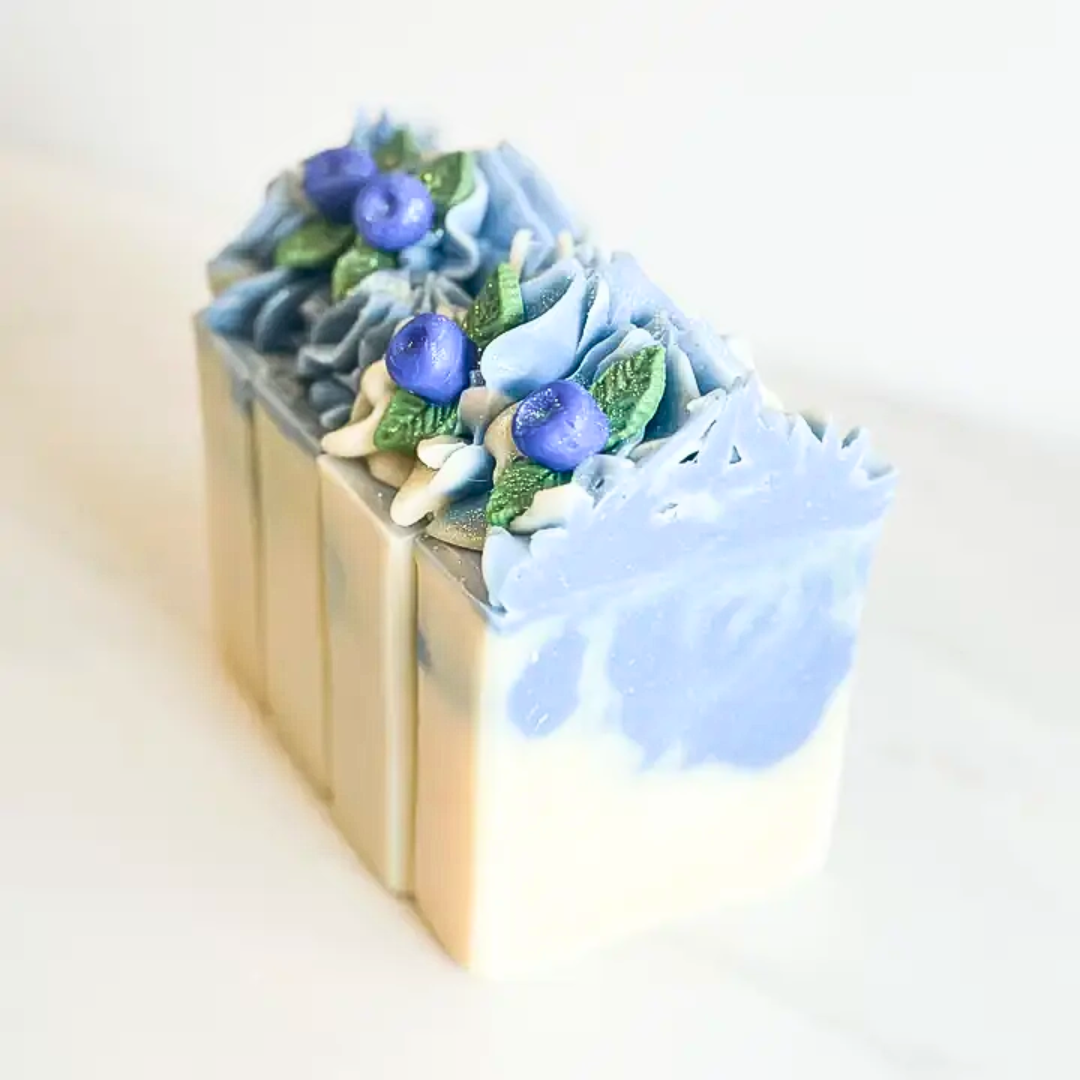
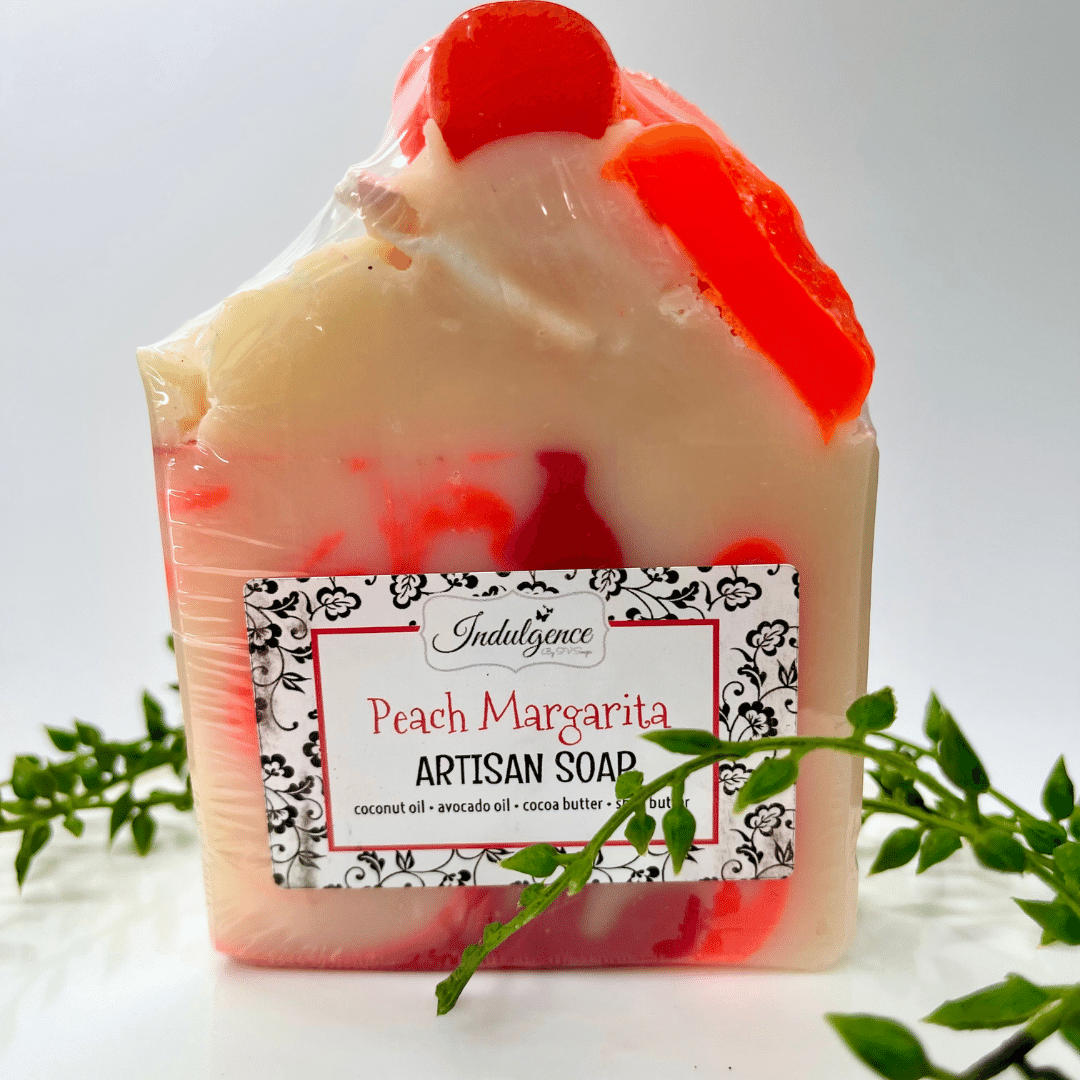
Our Blueberry Patch Artisan Soap is a lovely first bar to test, made with olive oil, coconut oil, and organic cocoa butter. If you are still deciding which bar suits you, our guide on how to choose small batch artisanal soap that feels luxurious walks through the details, and our notes on choosing artisan soap scents for a relaxing bath help you pick a scent that soothes rather than surprises. When you are ready to treat yourself after testing, the Peach Margarita Soap is a fresh, joyful choice.
Your skin deserves the same care you give your home, and a five-day patch test is a small, loving step toward a routine that truly suits you. At Moniluxx, we handcraft our soaps in small batches with natural ingredients, so you can slow down and savor each wash. Explore our artisanal soaps, nourishing body oils, and home fragrances, all made to bring calm and elegance to your everyday rituals. Get started with Moniluxx and find the bar your skin will love.
Frequently Asked Questions
Where should you patch test a new handmade soap?
Choose a small, discreet area of healthy skin, about the size of a coin. The inner forearm is the classic spot because it is easy to watch and rarely rubs against clothing. The elbow crease or behind the ear also work well. Avoid broken skin, cuts, or areas you have recently shaved. Keep the test area dry and product-free for the first few hours so you can read the reaction clearly.
How long should you wait after patch testing handmade soap?
Give a rinse-off soap test at least 24 hours before judging it, and ideally watch the spot for five to seven days. Some reactions appear within minutes, while others build slowly over several days. If you see redness, itching, or swelling at any point, stop using the product and let the skin settle. Repeat the application once daily during the observation window to mimic how you would actually use the bar.
Does testing soap pH tell you whether it is suitable for your skin?
No. A pH strip tells you how acidic or alkaline the bar is, which is useful for confirming a batch is properly made, but it says nothing about how your skin will respond to a specific fragrance or oil. A soap can sit at a perfectly normal pH and still irritate your skin. Use pH testing as a quality check on the maker's process, and use a patch test to check your own tolerance.
